
Scratch No More: The Best Medicated Shampoos for Itchy Scalp Relief
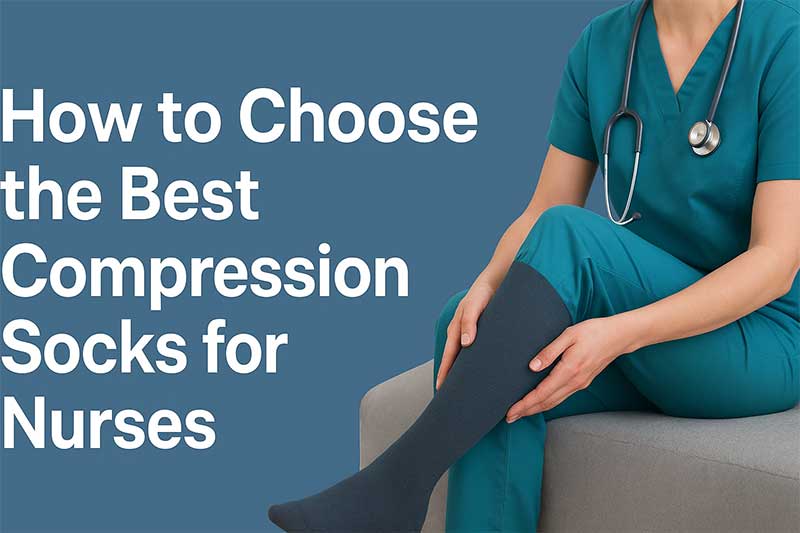
Let’s be honest — nurses are superheroes in scrubs. But unlike the ones in movies, their capes are replaced with stethoscopes, and instead of flying, they’re standing… all day long.
From marathon 12-hour shifts to endless rounds between patient rooms, nurses log more steps in a single day than most people do in a week. And while their hearts are strong, their legs? Well, let’s just say they occasionally send an SOS signal by the end of a double shift.
That’s where compression socks come in — the unsung heroes of the nursing world.
These aren’t just regular socks. Nope. Compression socks are like a gentle, science-backed hug for your legs. They’re designed to improve blood circulation, reduce swelling, and keep that heavy, achy feeling far, far away. The secret lies in their graduated pressure design — they’re tighter near the ankles and gradually loosen up toward the calves, helping blood flow back up toward the heart instead of pooling around your feet.
Think of them as a built-in circulatory support team for your legs — no caffeine required. ☕
Nurses swear by them for good reason. When you’re constantly on your feet — whether assisting in surgery, monitoring vitals, or sprinting toward the code-blue alarm — your lower limbs take the brunt of it all. By wearing the right pair of compression socks, you can:
Plus, they’ve come a long way from the dull, hospital-grade designs of the past. Today’s compression socks come in bright colors, cute prints, and breathable materials that don’t feel like medieval armor for your calves.
In short, the best compression socks for nurses are more than just an accessory — they’re an act of self-care. They help nurses keep doing what they do best: caring for others, without sacrificing their own comfort in the process.
So, whether you’re a seasoned RN, a new grad, or somewhere in between, this guide will walk you through exactly how to choose the best compression socks to match your shift, your style, and your sanity. Because your legs deserve a little TLC too. 💙
At first glance, compression socks might just look like your everyday pair of knee-high socks. But don’t be fooled — these snug little wonders are engineered magic for your legs.
So, what exactly are they?
Compression socks are specially designed garments that apply gentle, graduated pressure to your legs and ankles. The idea is simple but brilliant: they help your blood fight against gravity. Instead of pooling around your ankles after standing for hours, your blood gets a little “push” upward toward your heart — keeping your circulation in top shape and your legs feeling lighter.
Imagine your veins as highways. On a long nursing shift, traffic can get jammed — the blood slows down, fluid builds up, and suddenly your legs feel like you’ve been carrying around two sandbags. Compression socks act like friendly traffic officers, guiding your circulation back on track, reducing swelling, and preventing that dreaded end-of-shift leg fatigue.
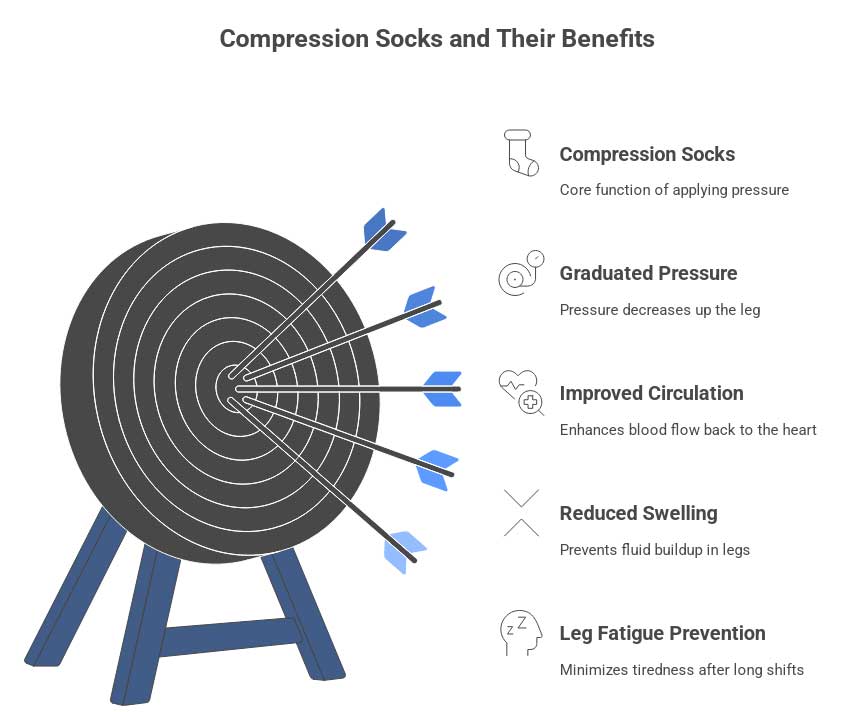
Compression socks use what’s called graduated compression — meaning they’re tightest at the ankle and gradually loosen as they move up your leg.
Some versions even come with medical-grade pressure levels, measured in millimeters of mercury (mmHg) — just like blood pressure.
Here’s a quick cheat sheet:
For most nurses, the sweet spot lies between 15–30 mmHg — enough to give your legs that extra stamina without feeling overly tight or restrictive.
Compression socks aren’t only about blood flow; they’re multitaskers:
And if you’re wondering whether they’re comfortable — the modern ones absolutely are. Gone are the days of thick, itchy materials. Today’s compression socks use soft, breathable fabrics like nylon, spandex, or moisture-wicking blends that keep your feet dry and odor-free even after a long day running the ward.
In simple terms:
Compression socks are like having a personal leg therapist — one who never complains, doesn’t take breaks, and fits neatly into your shoes.
So, the next time your legs feel like they’ve been through a night shift in the emergency room and a marathon on the side, remember — it’s not you, it’s your circulation asking for a little help.
And that help comes in a stretchy, supportive, and surprisingly stylish form: compression socks.
If there were a competition for “People Who Stand the Most,” nurses would win gold — every single time. Between those 12-hour shifts, constant patient rounds, charting marathons, and last-minute emergencies, a nurse’s feet barely get a moment’s rest. While most people clock out and sit down, nurses are still running toward call lights, IV pumps, and code blues.
And that heroic level of activity takes a toll — especially on your legs.
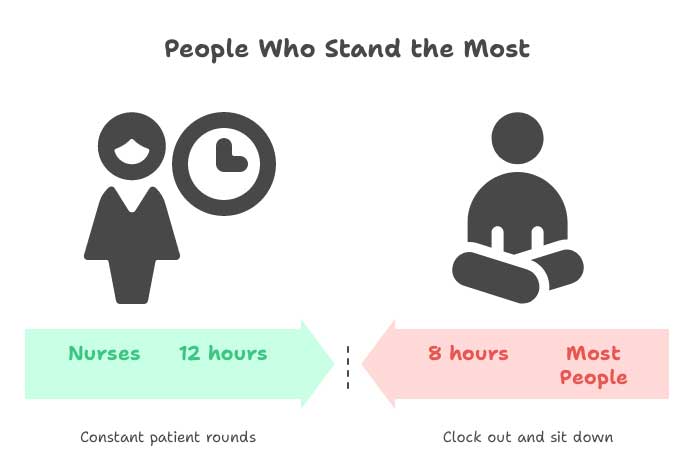
Standing for hours at a time may seem harmless, but it puts a surprising amount of pressure on your circulatory system. Gravity naturally pulls blood down into your lower limbs, and when you’re upright all day, your veins have to work overtime to push that blood back up toward your heart.
What happens when circulation slows down?
Not exactly the glamorous side of nursing, right?
Here’s where compression socks come in as true shift saviors.
They apply just enough gentle pressure to your legs to keep blood moving efficiently. Instead of pooling around your ankles, blood gets the nudge it needs to travel back to your heart — improving circulation and keeping that tired, heavy feeling at bay.
In fact, studies have shown that wearing properly fitted compression socks can significantly reduce leg pain, swelling, and fatigue in healthcare workers who stand for long hours.
So, when you slip into a pair before your shift, you’re not just putting on socks — you’re putting on support gear for your entire vascular system.
Let’s break it down in real-world terms. Here’s what nurses experience when they wear compression socks regularly:
And the best part? Modern compression socks are actually cute now! You can find them in fun colors, adorable prints, and breathable fabrics — so you can match your personality as easily as your scrubs.
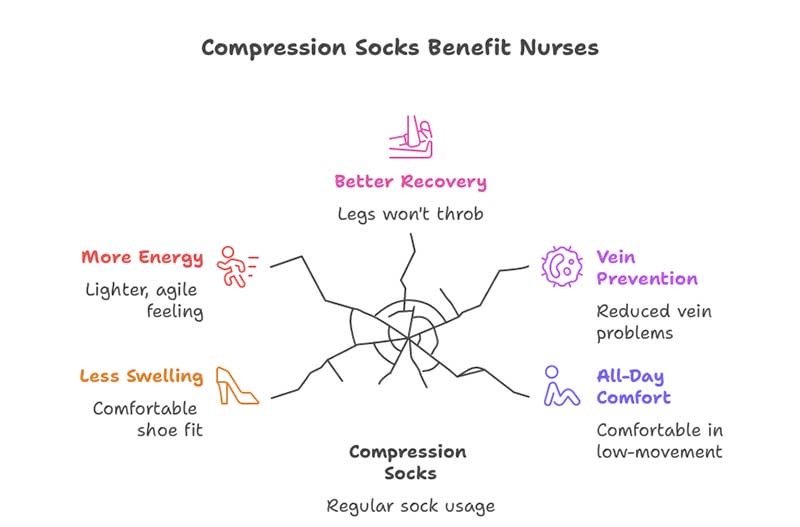
Ask any seasoned nurse, and you’ll hear something like this:
“I used to think compression socks were overhyped — until I started wearing them. Now I can’t survive a shift without them.”
That’s not marketing fluff — that’s leg-saving truth.
Bottom line:
Nurses don’t just need compression socks — they deserve them. When your job is to care for others all day long, it’s only fair to give your own legs some care, too. A good pair of compression socks can turn a punishing 12-hour shift into something your body can actually handle — one step at a time. 👣
Alright, you’re convinced — compression socks are a nurse’s best friend. But before you go clicking “Add to Cart” on the first cute pair you see, hold on to your stethoscope! Not all compression socks are created equal. The perfect pair for your coworker might not be the best fit for you.
Let’s walk (comfortably!) through the key factors you should consider before buying your next pair of leg-savers.
Compression socks come with different pressure ratings, measured in millimeters of mercury (mmHg) — the same unit used for blood pressure. This isn’t just a random number; it tells you how tightly the sock compresses your leg.
Here’s your quick guide:
Pro tip: For most nurses, 15–30 mmHg hits the sweet spot — enough pressure to keep blood flowing, but not so tight that it feels like your calves are in a vice grip.
When you’re on your feet all day, sweaty or itchy socks are the last thing you need. That’s why material matters — a lot.
Look for:
Bonus features to look for:
Because let’s be honest — no one wants to remove their shoes after a 12-hour shift and knock themselves out cold. 😅
A compression sock that doesn’t fit properly is like a coffee that’s half decaf — pointless.
How to get it right:
And remember, the right fit should feel snug but not suffocating — like a firm handshake, not a bear hug.
Gone are the days when compression socks looked like boring medical gear. Modern options come in bright colors, patterns, and fun prints — from subtle pastels to rainbow stripes and even coffee cup designs (how fitting, right?).
While the style doesn’t affect performance, it definitely boosts morale. A pair of cheerful socks peeking out from your scrubs can make a surprisingly big difference in your mood during those endless shifts. Because sometimes, the little things do matter — especially when it’s hour ten and you’re surviving on caffeine and willpower. ☕
Let’s face it — nurses wash everything more often than most people. So you’ll want compression socks that can survive frequent washes without losing elasticity or color.
Look for:
Try to avoid cheap knock-offs — they might feel great for the first week, then stretch out and turn into glorified regular socks.
Sometimes, it’s worth paying a few extra dollars for a trusted brand. Reputable companies usually test their compression levels accurately and use medical-grade materials.
But price doesn’t always equal quality — some budget-friendly brands offer excellent performance. Just make sure to check nurse reviews, return policies, and compression certifications before you buy.
In short:
Finding the best compression socks for nurses isn’t just about picking the prettiest pair — it’s about comfort, science, and a touch of personal style. When you choose wisely, your feet, calves, and sanity will thank you every single shift.
When it comes to compression socks, there’s no one-size-fits-all (literally and figuratively). Some nurses prefer softer materials and fun designs; others want firm medical-grade support that lasts through every shift.
Below is a detailed comparison chart highlighting the top 10 compression socks for nurses in 2025 — carefully selected based on comfort, durability, user feedback, and performance during long shifts.
| 🧦 Brand & Model | ⚙️ Compression Level | 🧵 Material | 🌟 Key Features | 💰 Price Range | 👣 Best For |
|---|---|---|---|---|---|
| Sockwell Circulator | 20–30 mmHg | Merino wool + rayon blend | Moisture-wicking, odor control, temperature regulation | $$ | Long shifts & winter comfort |
| Physix Gear Sport Compression Socks | 20–30 mmHg | Nylon/Spandex | Durable, firm compression, reinforced heel & toe | $$ | Active nurses, long-term use |
| Charmking Compression Socks | 15–20 mmHg | Nylon | Stylish colors, affordable 3-pack, everyday comfort | $ | Budget-conscious nurses |
| Nurse Mates Compression Socks | 12–14 mmHg | Cotton/Nylon blend | Soft texture, cute medical prints | $ | Light-duty or office nurses |
| CEP Women’s Progressive Compression Socks 3.0 | 20–30 mmHg | Polyamide/Elastane | Professional athletic design, enhanced blood flow | $$$ | High-performance nurses |
| Bluemaple Compression Socks | 15–20 mmHg | Nylon/Spandex | 6-pair value pack, breathable, great elasticity | $ | Everyday shifts & affordability |
| Figs Compression Socks | 20–30 mmHg | Nylon/Lycra | Sleek design, soft ribbed texture, stylish fit | $$$ | Nurses who want comfort & fashion |
| FuelMeFoot Copper Compression Socks | 15–20 mmHg | Nylon/Copper fiber blend | Antimicrobial copper, odor-free, long-lasting | $$ | Long hours, odor control |
| Zensah Tech+ Compression Socks | 20–30 mmHg | Polyamide/Elastane | Seamless toe, moisture management, sports-grade | $$$ | High-impact, athletic nurses |
| Dickies Compression Socks | 15–20 mmHg | Polyester/Spandex | Cushioned sole, durable & easy-care fabric | $ | Budget-friendly comfort |
No matter which pair you pick, the goal is the same: comfort, circulation, and sanity through every long shift. The right socks won’t just make your feet happy — they’ll make your whole day easier.
Not every nurse’s day looks the same — some spend hours sprinting from room to room, others stand still in operating theatres, and some battle night shifts that seem to last forever. That’s why choosing the right compression socks means finding what fits your daily grind.
Here are our top recommendations — each tailored to a different nursing need.
1

Compression Level: 20–30 mmHg
Material: Merino wool, bamboo rayon, stretch nylon, spandex
Price Range: 💲💲 (around $25–30 per pair)
Product Overview:
The Sockwell Circulator is the gold standard for nursing comfort. Crafted from a premium merino wool blend, these socks feel soft, breathable, and moisture-wicking — even after hours of running around the hospital floor.
Key Features:
Pros:
✅ Extremely comfortable and durable
✅ Great for long 10–12-hour shifts
✅ Stylish designs and color options
✅ Prevents swelling and leg fatigue effectively
Cons:
❌ Pricier than budget brands
❌ Limited size range in some colors
Best For:
Nurses working back-to-back long shifts who need reliable, all-day comfort without overheating.
2

Compression Level: 20–30 mmHg
Material: Nylon and Spandex blend
Price Range: 💲💲 (around $25 per pair)
Product Overview:
If your shifts are intense and your feet barely get a break, these socks are your new best friends. The Physix Gear Sport pair is designed with runners and athletes in mind — which makes them perfect for nurses who move constantly.
Key Features:
Pros:
✅ Great compression and support for circulation
✅ Durable enough for frequent washing
✅ Doesn’t slide or bunch up
✅ Suitable for both men and women
Cons:
❌ Tight fit may take time to get used to
❌ Slightly thicker material (not ideal for very hot climates)
Best For:
Nurses on busy wards, ERs, or ICUs who need maximum leg and calf support during marathon shifts.
3

Compression Level: 15–20 mmHg
Material: Nylon
Price Range: 💲 (around $18–22 for a 3-pack)
Product Overview:
Affordable and cheerful, Charmking socks prove you don’t need to spend a fortune to get relief. They come in vibrant designs, are easy to wear, and provide decent compression for everyday comfort.
Key Features:
Pros:
✅ Affordable multi-pack options
✅ Colorful and cute (perfect for matching scrubs)
✅ Great for light to moderate swelling
✅ Comfortable enough for all-day wear
Cons:
❌ Not as durable as premium brands
❌ Compression level may feel light for long 12-hour shifts
Best For:
Nurses who want budget-friendly comfort and style, especially for moderate activity levels or shorter shifts.
4
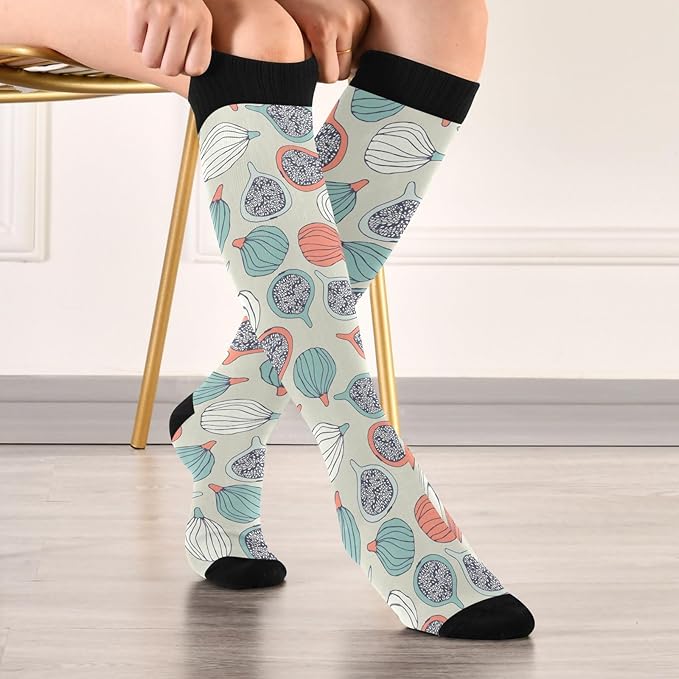
Compression Level: 20–30 mmHg
Material: Nylon and Lycra blend
Price Range: 💲💲💲 (around $38 per pair)
Product Overview:
From the makers of the most loved scrubs in healthcare, FIGS brings compression socks that look sleek and feel luxurious. They offer firm support with a silky, soft finish and just enough stretch for a snug fit.
Key Features:
Pros:
✅ Fashion meets function — stylish yet supportive
✅ Excellent breathability
✅ Retains elasticity after multiple washes
Cons:
❌ Premium price point
❌ Limited availability in some sizes
Best For:
Nurses who love style and comfort combined — perfect for anyone who wants to look as good as they feel on the job.
5

Compression Level: 15–20 mmHg
Material: Nylon + Copper Fiber
Price Range: 💲💲 (around $20–25 for a 3-pack)
Product Overview:
These socks are a game-changer for anyone who works in humid environments or struggles with odor. The copper-infused fibers naturally fight bacteria and smell, while providing mild compression to ease tired legs.
Key Features:
Pros:
✅ Long-lasting freshness
✅ Great for summer or humid hospitals
✅ Affordable and durable
Cons:
❌ Compression may feel too mild for some nurses
❌ Slightly less stretch compared to premium models
Best For:
Nurses who deal with warm climates, high humidity, or extra-long shifts — great for keeping feet cool and fresh.
| Category | Best Pick | Highlight |
|---|---|---|
| Best Overall | Sockwell Circulator | Long-lasting comfort & top-notch circulation support |
| Best Heavy-Duty | Physix Gear Sport | Strong compression for demanding shifts |
| Best Budget | Charmking | Affordable comfort with fun designs |
| Most Stylish | FIGS | Premium quality & modern look |
| Best Odor Control | FuelMeFoot Copper | Breathable freshness all shift long |
Final Verdict:
Choosing the right compression socks depends on your shift intensity, comfort preference, and budget. Whether you’re running the ER or charting late into the night, there’s a pair here designed to keep your legs — and your mood — in great shape.
Wearing compression socks isn’t rocket science — but getting the maximum benefit from them? That takes a few smart habits. Whether you’re new to the compression game or a seasoned nurse who already owns three pairs in pastel pink, these tips will help keep your socks (and your legs) in top condition.
The best time to wear your compression socks is before your legs start swelling — ideally, right after you wake up. Your circulation is at its best then, and it’s much easier to slide them on without feeling like you’re wrestling a stubborn octopus.
If your legs are damp, even slightly, it can be tricky to pull on compression socks smoothly. Use a bit of talcum powder or make sure your lotion is fully absorbed before putting them on. Otherwise, you might end up with half a sock and a lot of frustration.
Compression socks aren’t one-size-fits-all magic tubes. Measure your calf circumference and leg length according to the brand’s size chart.
Too tight = circulation issues.
Too loose = zero support.
Just right = happy, pain-free legs.
It might look tempting to fold the top edge for a snug fit — don’t do it. Folding creates a tight band that can block blood flow, defeating the whole purpose of compression socks. Smooth them out evenly instead.
After a long shift, your socks deserve a little spa treatment too!
Here’s how to keep them fresh and long-lasting:
If you wear compression socks every shift, invest in at least three pairs and rotate them. That way, each pair gets a proper rest between wears — helping the fabric maintain its compression power longer.
Compression socks aren’t forever. Over time, even the best ones lose their elasticity. A good rule:
Compression socks should feel snug but not painful. If you experience tingling, numbness, or discoloration, take them off and recheck your size or compression level. Comfort and circulation go hand in hand — literally.
Compression socks today come in all colors and patterns — from neon stripes to anatomical heart prints. Don’t shy away from expressing yourself! A little pop of color peeking from under your scrubs can lift your mood during even the longest shift.
In Short:
Caring for your compression socks is a small act of self-care that pays off big time. Clean them, size them right, rotate them often, and your legs will thank you — probably by not throbbing at the end of your 12-hour shift!
This part answers the most common — and sometimes funny — questions nurses have when they’re knee-deep (literally) in long shifts and tight socks. Here’s the full section, written in an informative, conversational tone with a touch of humor nurses can relate to 👇
Nurses ask the real questions — the kind you don’t find on the product label. So let’s bust myths, solve mysteries, and get straight to the point about wearing compression socks during long hospital shifts.
Answer: For most nurses, wearing compression socks throughout your shift (8–12 hours) is perfectly fine. You can take them off once you’re home and relaxing. However, avoid sleeping in them unless your doctor specifically advises it — your legs deserve a breather, too!
Answer: Absolutely! In fact, most nurses do. Daily use helps prevent swelling and fatigue that come with long hours on your feet. Just remember: wash them after each use and rotate pairs regularly to keep the elastic strength intact.
Answer: Yes, and there’s solid science behind it. Compression socks gently squeeze your legs to improve blood flow, reduce fluid buildup, and ease pressure on your veins. Over time, this helps minimize pain, swelling, and the appearance of varicose veins.
Think of them as your legs’ loyal support staff — always on duty.
Answer: It’s all about compression strength:
If you’re unsure, start mild and work your way up as your body adjusts.
Answer: Light indentations are fine; deep marks or discomfort aren’t. This usually means your socks are too tight or the wrong size. Check your measurements and try a different brand or compression level.
Answer: You can — but let it fully absorb before wearing your socks. Moist skin makes it harder to slide them on and may affect the elasticity over time. If dryness is an issue, use a fast-absorbing, non-greasy moisturizer before bed instead.
Answer: Yes! Many pregnant nurses swear by them. They help combat swelling, heaviness, and circulation issues that come with pregnancy. Just opt for mild to moderate compression (15–20 mmHg) unless your healthcare provider recommends otherwise.
Answer: Typically, every 3–6 months depending on wear frequency and washing habits. If they feel looser or stop hugging your calves properly, they’ve retired themselves — time for a new pair.
Answer: Indirectly, yes. Better leg circulation means less fatigue, which helps maintain good posture throughout your shift. So while they won’t fix back pain alone, they’ll definitely make standing all day more bearable.
Answer: Sorry, no shortcut there! Regular socks only feel tight; they don’t apply graduated pressure in the right way. Compression socks are scientifically engineered to support veins — not just squeeze your feet into submission.
Compression socks aren’t just a trendy nurse accessory — they’re a leg-saving, energy-boosting essential. Once you start wearing them regularly, you’ll wonder how you ever survived those double shifts without them!
Let’s face it — buying compression socks sounds easy… until you end up with a pair that’s either tighter than your schedule or looser than your hospital scrubs. Many nurses learn the hard way that not all compression socks are created equal.
Here are the most common missteps — and how you can avoid them like a pro.
Many nurses assume that tighter is better, but that’s not always true.
If you’re new to compression socks, jumping straight to 30–40 mmHg (super firm medical-grade) can feel like your legs are being bear-hugged by a boa constrictor.
👉 Fix: Start with 15–20 mmHg for mild support or 20–30 mmHg if you’re on your feet 12+ hours a day. Always check your comfort level and, when in doubt, consult your healthcare provider.
Too big? No support.
Too small? Circulation nightmare.
Sizing mistakes are the number one reason compression socks end up forgotten in a drawer.
👉 Fix: Measure both your calf circumference and leg length as per the brand’s size chart. Don’t just go by your shoe size — that’s a rookie move!
Sure, those neon-pink socks with cartoon syringes are adorable, but cute doesn’t always mean comfortable. A poor-quality sock — no matter how stylish — can lose its elasticity after a few washes.
👉 Fix: Go for brands that balance style and substance. Many modern brands like FIGS or Nurse Mates offer both performance and personality.
Compression socks come in various materials — from nylon and spandex blends to merino wool and copper fibers. The wrong fabric can leave you sweaty and uncomfortable during long shifts.
👉 Fix: For nurses, moisture-wicking and breathable fabrics are must-haves. Avoid 100% synthetic options that trap heat and sweat.
Even the best socks lose their elasticity over time. Wearing overstretched socks is like drinking decaf coffee during a night shift — utterly pointless.
👉 Fix: Replace your socks every 3–6 months or whenever they feel looser. Rotate multiple pairs to extend their lifespan.
Some nurses roll their socks down mid-shift for comfort — big mistake! This creates a tight band that can restrict blood flow and cause discomfort.
👉 Fix: If the socks feel too tight at the top, try a larger size or a lighter compression level instead of folding them.
Hot water, bleach, or tumble drying can ruin compression socks faster than you can say “code blue.”
👉 Fix: Hand wash or use a gentle machine cycle with mild soap, then air dry flat. Treat them like the delicate medical gear they are.
Compression socks aren’t magic. You won’t feel like floating on clouds the first time you wear them. Some nurses even find them tight or odd at first.
👉 Fix: Give your body time to adjust. Usually, within a few shifts, you’ll start noticing less swelling and fatigue.
Every nurse is different — some prefer knee-high socks, others love thigh-high or ankle-length options. Ignoring your personal comfort can lead to frustration and inconsistency.
👉 Fix: Try different lengths, materials, and compression levels until you find your sweet spot.
You wouldn’t wear the same scrubs every day, right? So why just one pair of compression socks?
👉 Fix: Invest in at least three pairs and rotate them. Your feet (and laundry schedule) will thank you.
Compression socks work wonders when chosen right — but only if you avoid these rookie mistakes. Take your time to find your perfect pair, and remember: comfort + compression = happy nurse legs.
By now, it’s clear that compression socks aren’t just another uniform accessory — they’re essential gear for any nurse who spends hours on their feet, hustling through back-to-back shifts, code calls, and endless charting. But when it comes to investing your hard-earned money, which pairs actually deserve that spot in your drawer? Let’s break it down.
If there’s one pair that consistently wins nurses’ hearts (and calves), it’s the Sockwell Circulator.
💡 Verdict: Think of Sockwell as your “steady coworker” — dependable, effective, and always there when you need them.
These are the workhorses of the compression sock world.
💡 Verdict: If your legs could leave a five-star review, these socks would earn it.
Who says compression socks can’t be fashionable? FIGS combines premium compression technology with sleek design.
💡 Verdict: For nurses who believe self-care starts from the socks up — stylish, smart, and comfortable.
These are proof that good things can come in budget-friendly packs.
💡 Verdict: Affordable doesn’t mean inferior — these are great everyday options for light-to-moderate compression needs.
These copper-infused socks are designed to fight odor, bacteria, and fatigue, making them a solid choice for long shifts.
💡 Verdict: Fresh feet all shift long — what more could you ask for?
| Category | Top Pick | Best Feature |
|---|---|---|
| Best Overall | Sockwell Circulator | Balance of comfort & compression |
| Long Shifts | Physix Gear Sport | Maximum durability & support |
| Stylish Choice | FIGS Compression Socks | Sleek design with effective compression |
| Budget Pick | Charmking 3-Pack | Affordable & colorful |
| Odor Control | FuelMeFoot Copper | Antimicrobial and breathable |
Investing in the right compression socks is an investment in your health, comfort, and energy.
If you’re looking for a quick recommendation:
No matter which pair you choose, remember — happy legs make for happier shifts. When your feet are taken care of, you can take care of your patients even better.
Nursing isn’t just a profession — it’s a full-body workout disguised as a career. Twelve-hour shifts, constant motion, and hours of standing can turn even the strongest legs into tired ones by the end of the day. But here’s the truth: you can’t pour from an empty cup (or stand on exhausted legs).
Compression socks may seem like a small detail in your uniform, but they can make a massive difference in how you feel during and after your shift. From reducing swelling and fatigue to improving circulation and focus, these snug little miracle-workers are like a gentle hug for your legs — and let’s be honest, you deserve that hug.
As nurses, you spend your days caring for others — often forgetting that your own well-being matters too. Taking a few minutes to slip on a pair of compression socks before a long shift isn’t vanity; it’s preventive care for the person who’s always on the go.
When your legs feel supported, your energy lasts longer, your posture improves, and your mind stays sharper. It’s not just about comfort — it’s about sustainability in one of the world’s most demanding and noble professions.
Remember: your job requires standing strong — physically and emotionally. And every small step you take to care for yourself adds up to better care for your patients.
So, the next time you gear up for another long day on the floor, look down at those colorful, supportive socks and think —
“I’m not just getting ready for work. I’m getting ready to take care of me too.”
Because when a nurse feels good, the whole world feels better. 🌍💉
Scratch No More: The Best Medicated Shampoos for Itchy Scalp Relief


How to Lose Weight in Your Face: Top 10 Tips for a Slimmer, Healthier Look
Breathe Easy: Choosing the Best Humidifier for Asthma and Allergies

Delicious High Protein Low Fat Meal Prep Ideas: Fueling Your Fitness Goals

Top 10 Best Children’s Immune Support Gummies: Boost Your Kid’s Health Naturally

If you don’t have any spare time to visit here daily. Don’t worry! We will send you our all latest posts. Just choose either our Email Newsletter or RSS Feed.


If you have any query, then don't hesitate to shoot us an email through contact@getonlinehealthcare.com.